
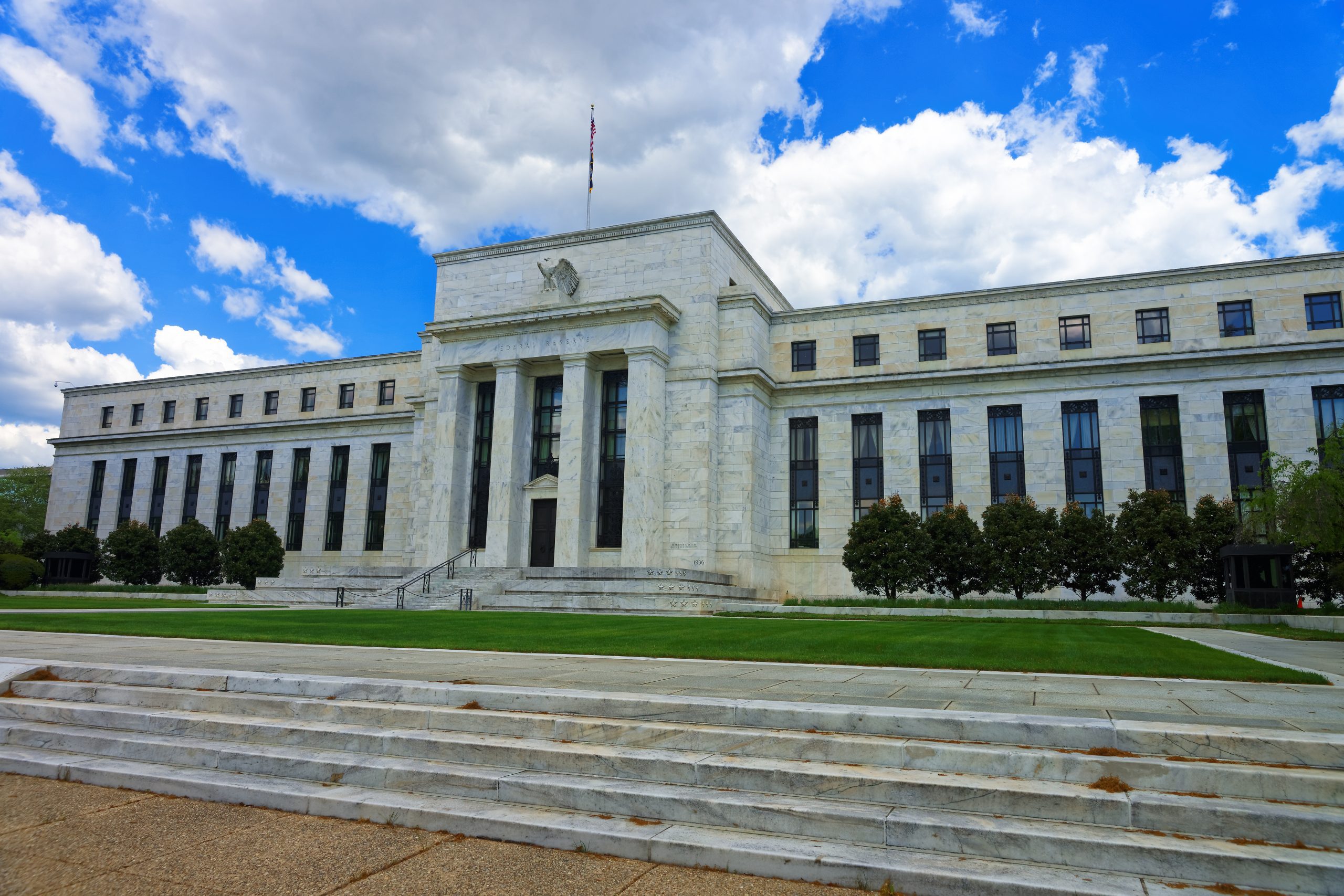
In a proposal that has drawn both interest and concern, the Federal Reserve is exploring whether crypto exchanges and fintechs should be granted limited access to its payments system through a type of “skinny” master account.
Currently, these companies rely on intermediary banks that already hold master accounts at Federal Reserve Banks to process transactions on their behalf. The Fed is accepting public comments on the proposal through the end of January.
The strongest argument in favor of the accounts is that they would allow for a faster approval process, enabling transactions to settle more quickly. Payments would be settled following a streamlined review, while safeguards imposed by the Fed would aim to reduce risks to the broader payment system.
Useful in Stablecoin Transactions
At the Payments Innovation Conference in October, Fed Governor Christopher Waller floated the idea of a skinny account as a way to give payment services companies more direct access to the Federal Reserve’s payment rails. The accounts could be especially useful for the growing number of stablecoin issuers involved in cross-border payments.
Fintech platforms like Stripe or Block, which currently rely on partner banks for access to the payment system, could also streamline their operations and transaction processing through these accounts.
The skinny accounts would not earn interest or have access to the Fed’s credit facilities.
They would also be capped at overnight balances, limited to the lesser of $500 million or 10% of an institution’s total assets.
Concerns and Challenges
Master accounts at the Fed have traditionally been the sole domain of banks, which could lose business if the proposal is adopted—particularly given their intermediary role in processing stablecoin and fintech transactions.
In addition, faster clearing times raise concerns about fraud. Critics have also voiced worries about money laundering, noting that the proposal doesn’t spell out detailed safeguards to prevent the accounts from being used for illicit activity by institutions the Fed does not supervise.
Those concerns are partly mitigated by the fact that the Fed would retain discretion to impose restrictions and risk controls on a case-by-case basis. It could also require periodic reporting from account holders. Moreover, the proposal limits the accounts to settling only the holder’s own transactions, barring firms from offering correspondent banking services or settling payments on behalf of third parties.
Disclaimer: This story is auto-aggregated by a computer program and has not been created or edited by finopulse.
Publisher: Source link