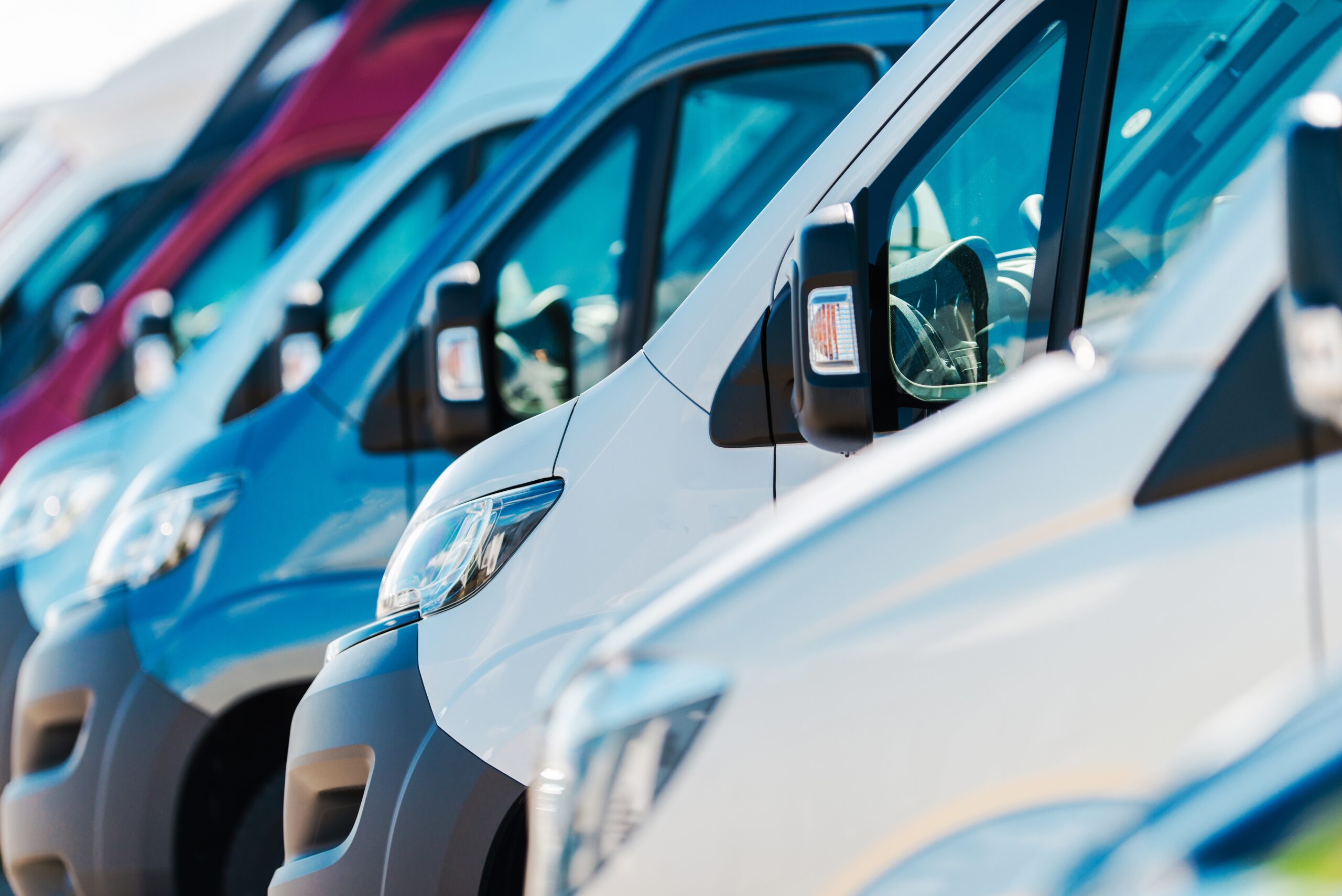
The traditional fleet management model has relied heavily on physical payment cards, which can be lost, stolen, or misused. An emerging alternative is vehicle-initiated payments, a technology in which one of the leading providers, Car IQ, is set to be acquired by Element Fleet Management.
In Car IQ’s model, vehicles can autonomously initiate and complete transactions. This reduces reliance on physical cards and streamlines many of the manual reconciliation processes associated with them.
Element, a large-scale provider of fleet management solutions with existing digital payments capabilities, plans to integrate Car IQ’s technology into its broader ecosystem. With the acquisition, vehicle-initiated payments are expected to become a standard component of the company’s fleet management ecosystem.
“This is a play to expand the payments capabilities for Element as well as the ability to leverage the partnerships that Car IQ has made among fuel and tolling agencies,” said Ben Danner, Senior Credit and Commercial Analyst at Javelin Strategy & Research. “The technology and the back-office simplification that Car IQ has perfected will be a valuable asset to Element.”
“What remains to be seen is what Element does with its current fuel card product on the WEX network.
Will they keep it or go fully cardless?” he said.
Frustrated With Fragmentation
There are substantial benefits to moving away from physical cards, as lost or misused cards often create a significant financial drain for companies managing large-scale fleets.
These inefficiencies also affect drivers. Recent data from Visa shows that roughly two-thirds of drivers are frustrated with the complexity of their existing payment solutions, and 84% are unhappy with fragmented systems.
Mitigating Pain Points
The pain points associated with physical cards have led many companies to explore virtual cards, which can be issued and loaded directly into a driver’s digital wallet. Virtual cards are gaining traction across many business-to-business use cases because they enable faster, more efficient transactions and provide stronger guardrails.
For example, a virtual card can be issued as a one-time payment for a single driver on a specific day, while still giving fleet managers the flexibility to issue chargebacks if conditions aren’t met.
While virtual cards are a strong option, embedding payment capabilities directly into vehicles may be even more appealing for some fleet managers. Linking payments to the vehicle itself can help mitigate misuse and streamline fleet management processes that are otherwise manual and inefficient.
Disclaimer: This story is auto-aggregated by a computer program and has not been created or edited by finopulse.
Publisher: Source link